Mecila

#53

Exploring the Conviviality–Inequality Nexus: Findings and Prospects

Philipp Naucke & Sérgio Costa

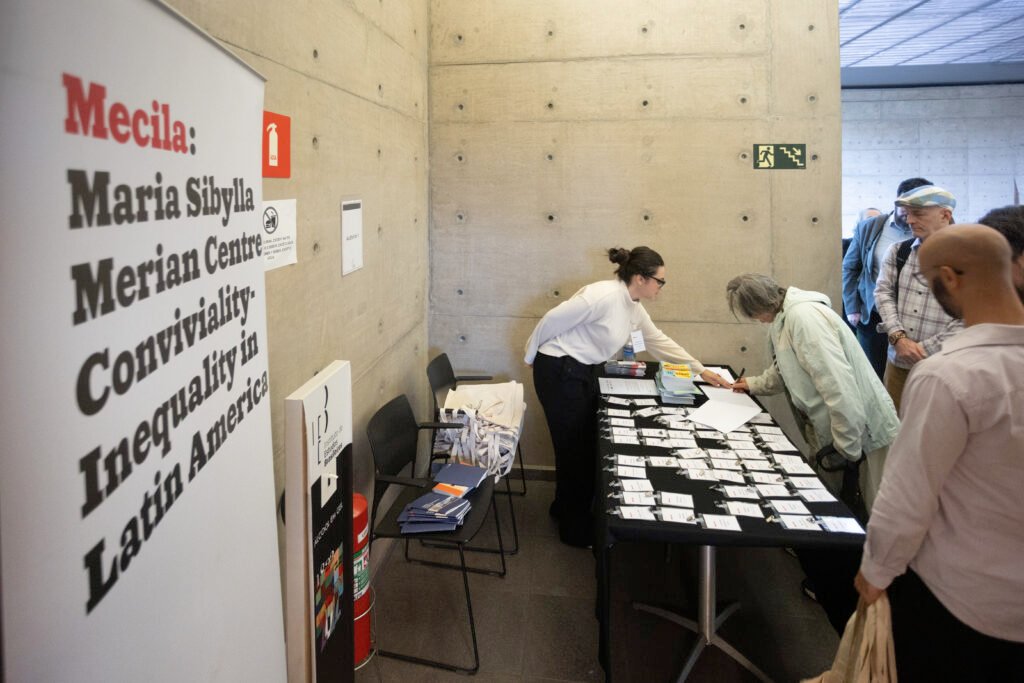
From 11 to 13 December 2025, the Maria Sibylla Merian Centre Conviviality–Inequality in Latin America Mecila, hosted its Berlin Conference ‘Exploring the Conviviality–Inequality Nexus: Findings and Prospects’ at Freie Universität Berlin.

Bringing together scholars, artists, policy practitioners, and representatives of international research centres, particularly the Merian Centres based in Accra, Delhi, Guadalajara, and Tunis as well as the DFG Humanities Centre of Advanced Studies Futures of Sustainability and the GIGA Institute for Latin American Studies, the conference marked an important moment to take stock of Mecila’s work and to reflect collectively on future directions for research and collaboration. When Mecila began its activities, the challenges of living together in societies marked by deep and persistent inequalities were already evident. Today, these challenges have intensified. The conference was structured around three interrelated lines of conflict that shape contemporary debates on conviviality and inequality: the climate emergency and its uneven consequences; growing tensions in domestic and international politics; and widening North–South asymmetries in knowledge production and circulation. Over the three days, participants explored how these dynamics intersect and how they might be addressed through interdisciplinary and transdisciplinary research.

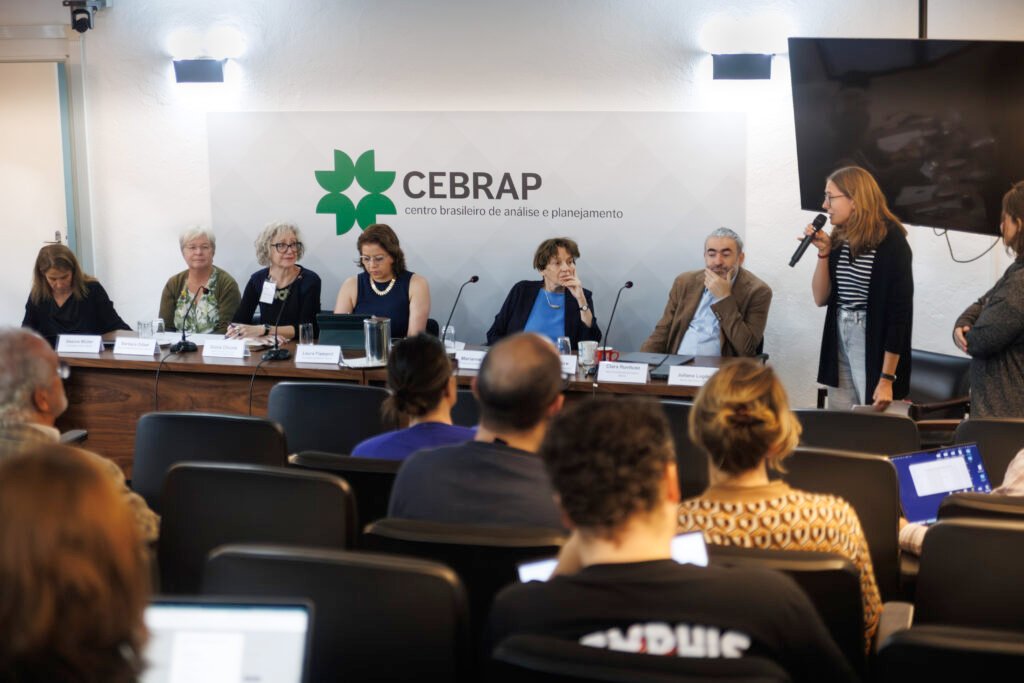
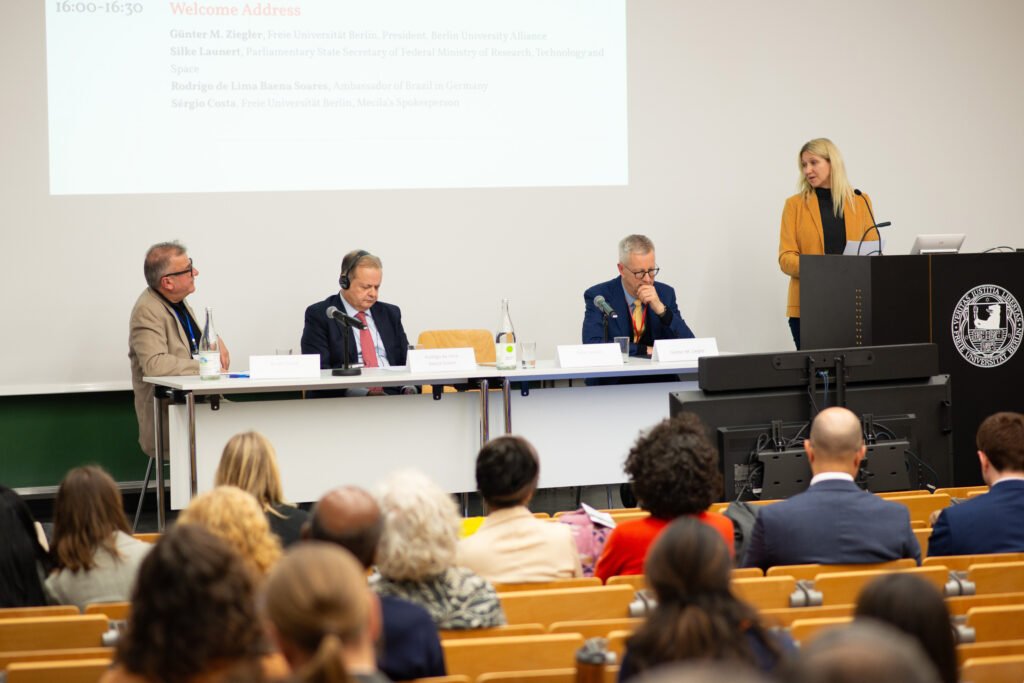
The conference kicked off with the welcome addresses by Günter M. Ziegler (President of Freie Universität Berlin), Silke Launert (State Secretary of the Federal Ministry of Research, Technology and Space), his excellence Rodrigo de Lima Baena Soares (Ambassador of Brazil in Germany), and Sérgio Costa (Mecila’s Spokesperson), setting the tone by locating the conference at the intersection of academic collaboration and global inequalities. The first roundtable, “Overcoming North–South Academic Asymmetries: Diagnosis and Responses”, gathered spokespersons and (former) directors of the Merian Centres in Accra (Hans-Peter Hahn), Delhi (Martin Fuchs), Guadalajara (Olaf Kaltmeier), Tunis (Rachid Ouaissa), and São Paulo (Susanne Klengel). Moderated by Laila Abu-Er-Rub (MIASA), the discussion highlighted the importance of sustainable partnerships, academic freedom, and knowledge diplomacy in a context marked by geopolitical uncertainty, nationalism, and shrinking spaces for critical scholarship. Rather than treating asymmetries as merely structural constraints, the panel emphasized the need for innovative institutional formats that actively reshape how research agendas are defined and pursued.

Photo by Gareth Harmer.

Questions of innovation and excellence in higher education were taken up again on the second day in a roundtable with university leaders and directors of Centres for Advanced Studies, such as Friederike Pannewick (German Science and Humanities Council), Robert Folger (Käte Hamburger Centre for Apocalyptic and Post-Apocalyptic Studies), Karin Harrasser (International Research Center for Cultural Studies), Verena Blechinger-Talcott (Freie Universität Berlin), and yet again Günter M. Ziegler and Sérgio Costa. Here, the focus shifted to the institutional frameworks required to support interdisciplinary research capable of responding to complex current societal and political challenges. Participants reflected on the tensions between academic autonomy, political pressures, and the growing demand for socially relevant research, underlining the role of universities and research centres as spaces for critical reflection in difficult times.

This institutional lens fed into the panel “Knowledges in Dialogue: From Interdisciplinary to Transdisciplinary”, which explored how academic, artistic, and experiential knowledge can transform each other when confronted with planetary crises. In this panel, Gioconda Herrera (FLACSO Ecuador) reflected transdisciplinary approaches to mobility and climate crises in the Andean region, showing how social and political actors’ situated knowledges reshape research on droughts, floods, and landslides. Awadhendra Sharan (Centre for the Study of Developing Societies, Delhi) proposed a framework for theorizing “atmospheres” in Anthropocene times that connects climate change, pandemics, and toxic air with histories of colonialism and global inequality. Artist and researcher Sela Adjei (University of Media, Arts and Communication, Ghana) discussed “Fragments of Conviviality”, reflecting on African visual cultures, restitution, and the politics of repair as forms of knowledge production that challenge extractive regimes between Europe and Africa. Finally, Cyrine Kortas (University of Gabes, Tunis) read Tunisian Sufi poetry through a transdisciplinary lens, treating it as a site where collective memory, devotional practice, gendered social roles, and national narratives intersect. Moderated by Julius Dihstelhoff (MECAM), these contributions illustrated that convivial futures require knowledge grounded in lived situations and negotiated across disciplinary and social boundaries.

Photo by Gareth Harmer.

The afternoon panel “Climate Change and Multispecies Conviviality”, moderated by Manuel Santos Silva (Freie Universität, Mecila), extended this perspective to human–non‑human relations and socio‑ecological conflicts. Olivia Gomes da Cunha (Federal University of Rio de Janeiro) examined “fugitive relations” in Plantationocene worlds, focusing on Maroon communities in Suriname and their multispecies engagements with landscapes shaped by colonial extraction. Frank Adloff (University of Hamburg) argued for recognizing “nature’s gifts” and advancing a methodological animism that treats non‑humans as subjects, with implications for rights of nature and legal innovation. Maya Manzi (Federal University of Recôncavo da Bahia) connected pesticide‑driven water contamination in Western Bahia to the erosion of commons‑based livelihoods, showing how convivial relations between herders, cattle, and land are being undermined by agribusiness. Ulrich Brand (University of Vienna) analyzed the structural limits of the “decarbonisation state” within liberal capitalism and asked what a “transformation state” might mean for conviviality. The day concluded with a roundtable on “Disputing Environment and Climate Change”, moderated by Barbara Göbel (Ibero-American Institut Berlin), and bringing in perspectives from government, international cooperation, and academia – in person of Marta Machado (National Secretary for Drug Policies at the Ministry of Justice, Brazil); Sarah David (German International Cooperation – GIZ); and Guilherme Bianchi (University of São Paulo) – to explore how climate policies intersect with security, development, and justice.

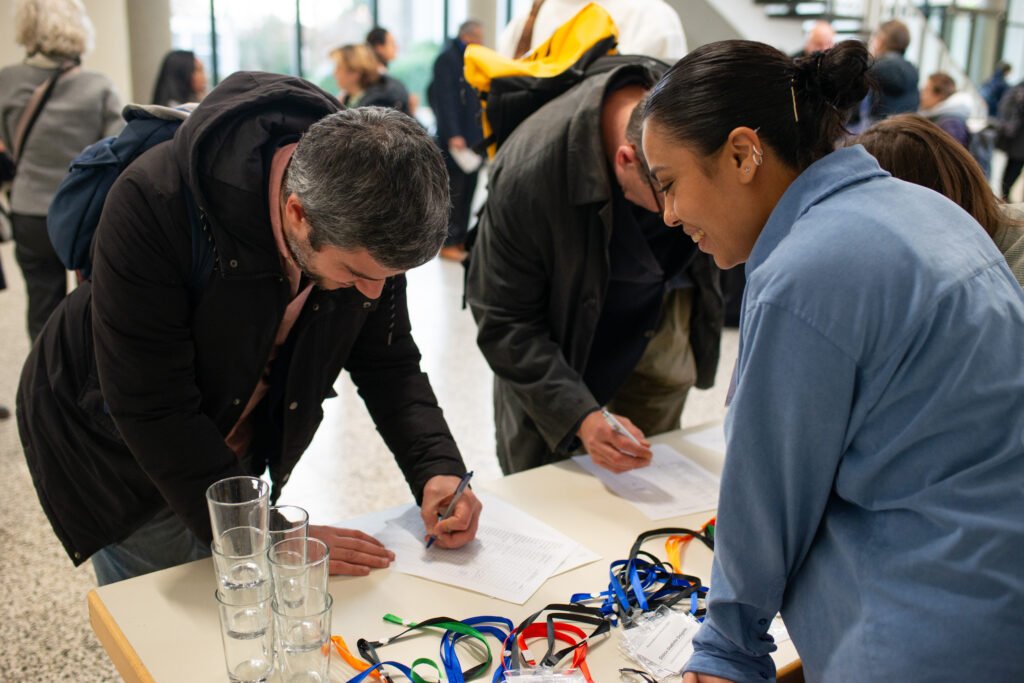
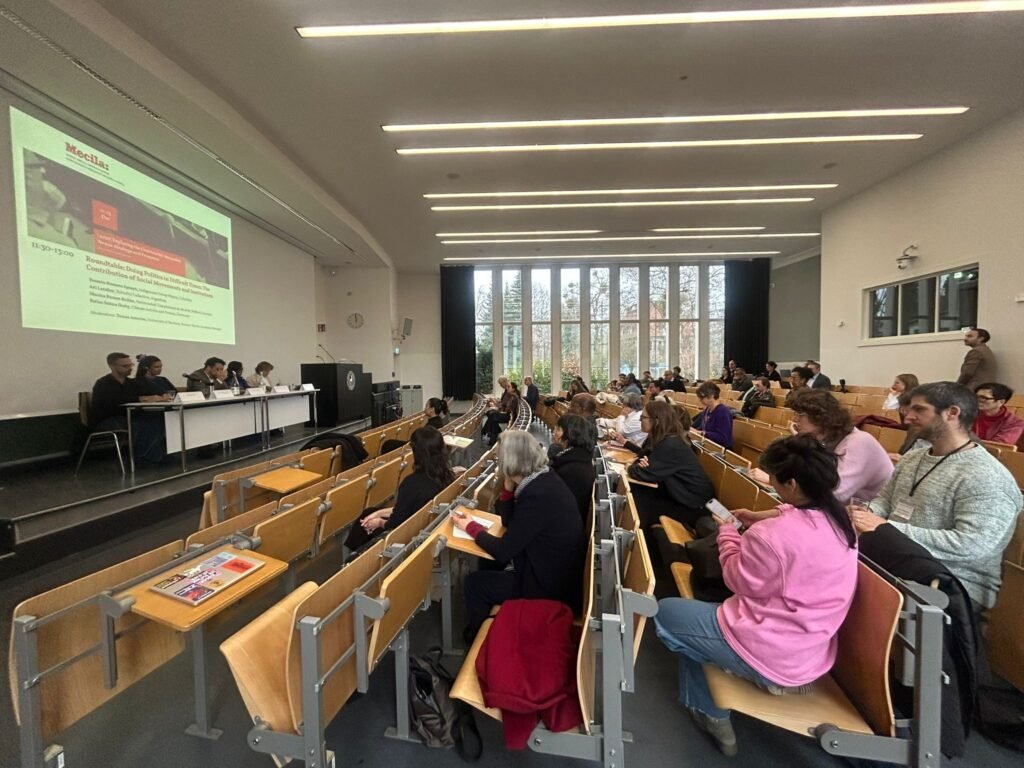
The final day turned more explicitly to democracy and political agency. The morning panel “Democracy at the Crossroads: Challenges and Perspectives”, moderated by Marianne Braig (Freie Universität Berlin) addressed democratic crises in Latin America and beyond. Marcos Nobre (University of Campinas) introduced the concept of Bolsonarismo as a “digital party”, arguing that new, non‑institutionalized party forms emerging in digital spheres can disrupt existing regimes. Bert Hoffmann (GIGA Hamburg) highlighted how core elements of the res publica, from security to monetary infrastructures, are increasingly privatized, reframing what is at stake in democratic erosion. Ina Kerner (University of Koblenz) traced the “coloniality” of democracy, arguing that some of its crises are not recent aberrations but long‑standing features rooted in colonial histories. Luicy Pedroza (El Colegio de México) examined whether Latin America’s comparatively inclusive migration policies can withstand externalized border controls and domestic democratic backlashes. In the subsequent roundtable “Doing Politics in Difficult Times: The Contribution of Social Movements and Institutions”, the indigenous leader Yasmin Romero Epiayú (Wayuu, Colombia), the queer and abolitionist activist Ari Lutzker (YoNoFui Collective, Argentina), the political scientist Marisa Ramos Rollón (Universidad Complutense de Madrid), and the climate activist and poetess Fatim Selina Diaby (BUND) reflected on how collective action and institutional engagement shape politics under conditions of crisis. The discussion, moderated by Tomaz Amorim (University of Bochum), emphasized the need for alliances that connect local struggles with transnational networks, and that bridge social movements and formal institutions.

Photo by Mecila Berlin Office.

The conference concluded with a closing panel, moderated by Gesine Müller (University of Cologne, Mecila), that looked ahead to future collaborations among the Merian Centres and beyond. Reflecting on the discussions of the previous days, Encarnación Gutiérrez-Rodríguez (Goethe-Universität Frankfurt), Kristina Dietz (University of Kassel), Gloria Chicote (CONICET/University of La Plata, Argentina), Jörg Gengnagel (Julius-Maximilians-Universität Würzburg), and Mamadou Diawara (Goethe University Frankfurt) emphasized the need to further strengthen transregional and transdisciplinary networks, and to continue engaging with non-academic audiences. In doing so, Mecila’s work on conviviality and inequality was reaffirmed as both analytically rigorous and socially engaged. Overall, the Mecila Berlin Conference 2025 provided a space for critical reflection, dialogue, and prospecting. By bringing together diverse perspectives and forms of knowledge, it highlighted not only the depth of contemporary crises, but also the possibilities for reimagining conviviality under conditions of inequality. As the discussions made clear, addressing these challenges requires sustained collaboration across disciplines, regions, and institutional boundaries — a task that will continue to guide Mecila’s work in the years to come.

#52

Professor Guillermo Obiols Library: Supporting Research and Learning within Mecila (2020–2026)

The Ibero-Amerikanisches Institut Editorial Team 

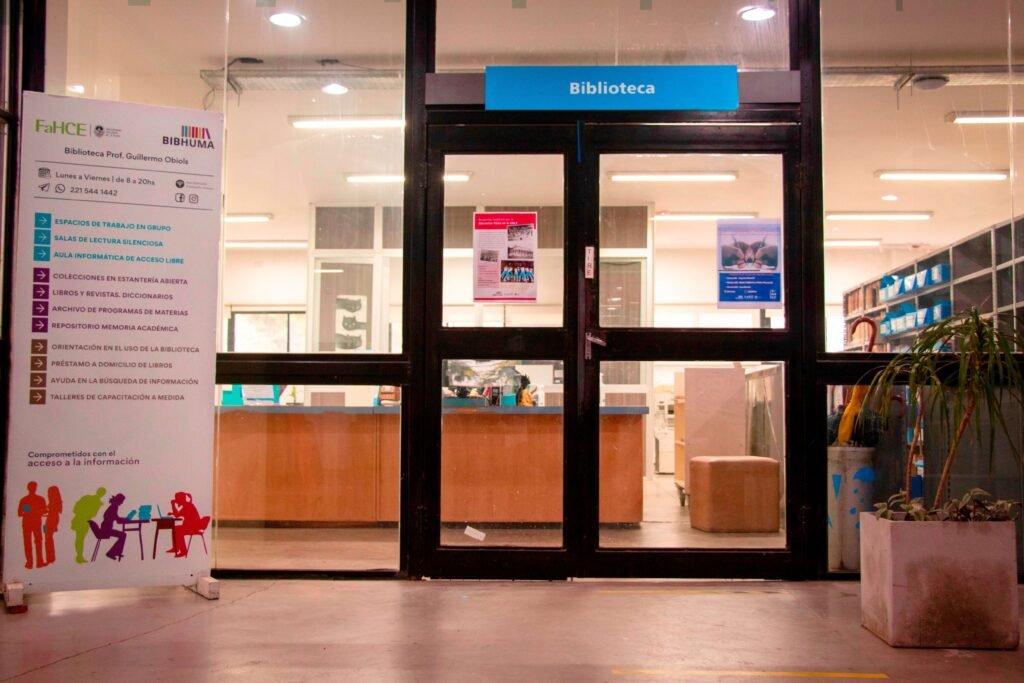
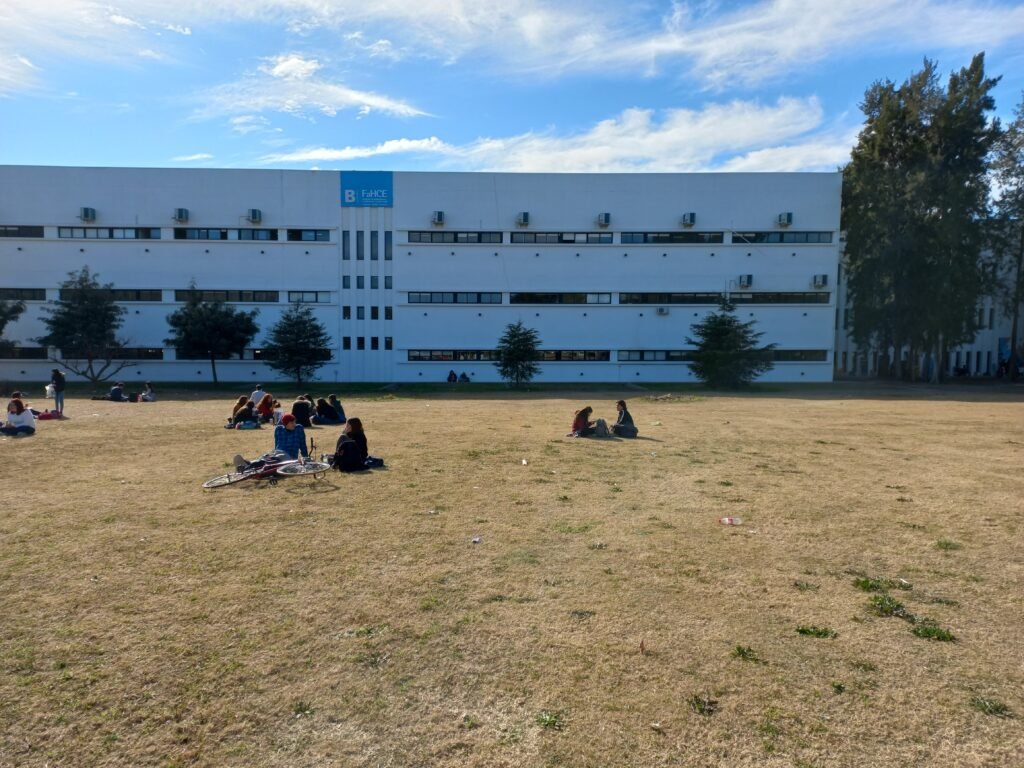
The Prof. Guillermo Obiols Library is a support service for teaching, study, research, outreach, and management at the Faculty of Humanities and Education Sciences and the Institute for Research in Humanities and Social Sciences at the National University of La Plata.

As part of Mecila’s information infrastructure, the Library develops active library services aimed at ensuring the generation, communication, and dissemination of information and knowledge to its user community in general, and to researchers, fellows, and thesis writers of the Mecila consortium in particular.

The “Prof. Guillermo Obiols” Library is a support service for teaching, study, research, outreach, and management at the Faculty of Humanities and Education Sciences (hereinafter FaHCE) and the Institute for Research in Humanities and Social Sciences (hereinafter IdIHCS) of the National University of La Plata (hereinafter UNLP).

Its mission is to propose and intervene on demand in the academic processes of FaHCE and IdIHCS, with bibliographic resources, professional capabilities, physical spaces, and library services designed to guarantee, facilitate, and contribute to the generation, communication, and dissemination of information and knowledge.

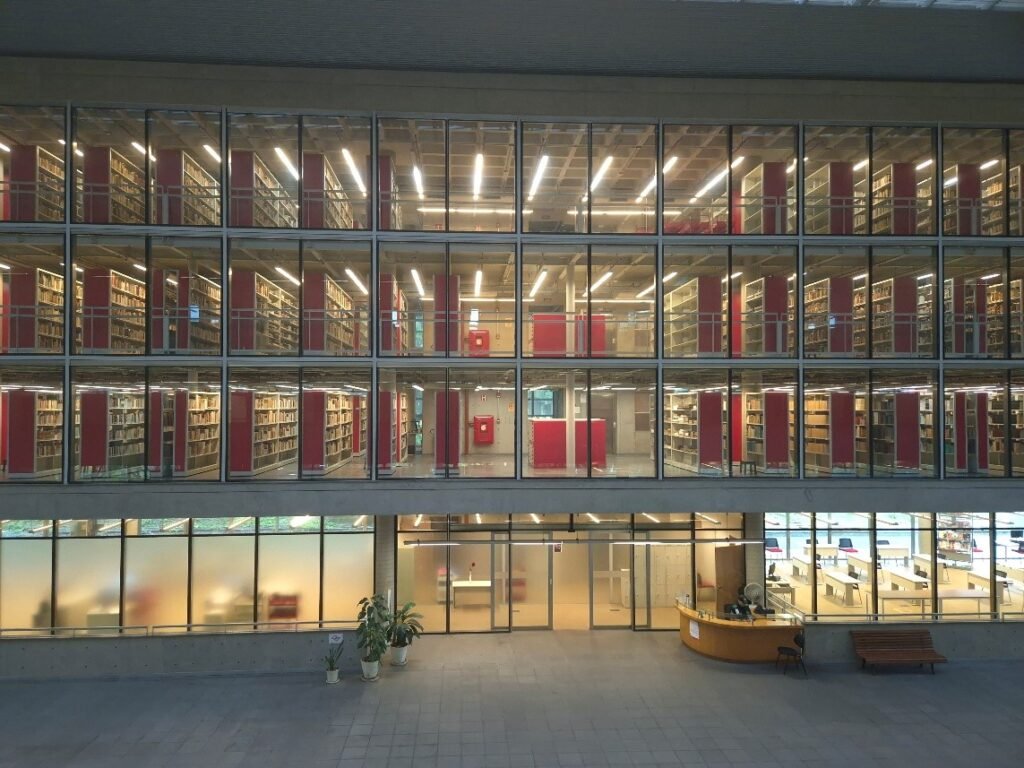
Prof. Guillermo Obiols Library

FaHCE focuses its teaching on training outstanding professionals who are committed to addressing educational, human, social, and territorial issues in the community. The IdIHCS, as its research body, carries out more than 200 projects in its 18 centers and laboratories, employing 240 researchers and 190 fellows. It is part of international networks such as Mecila and coordinates federal initiatives and other interinstitutional programs.

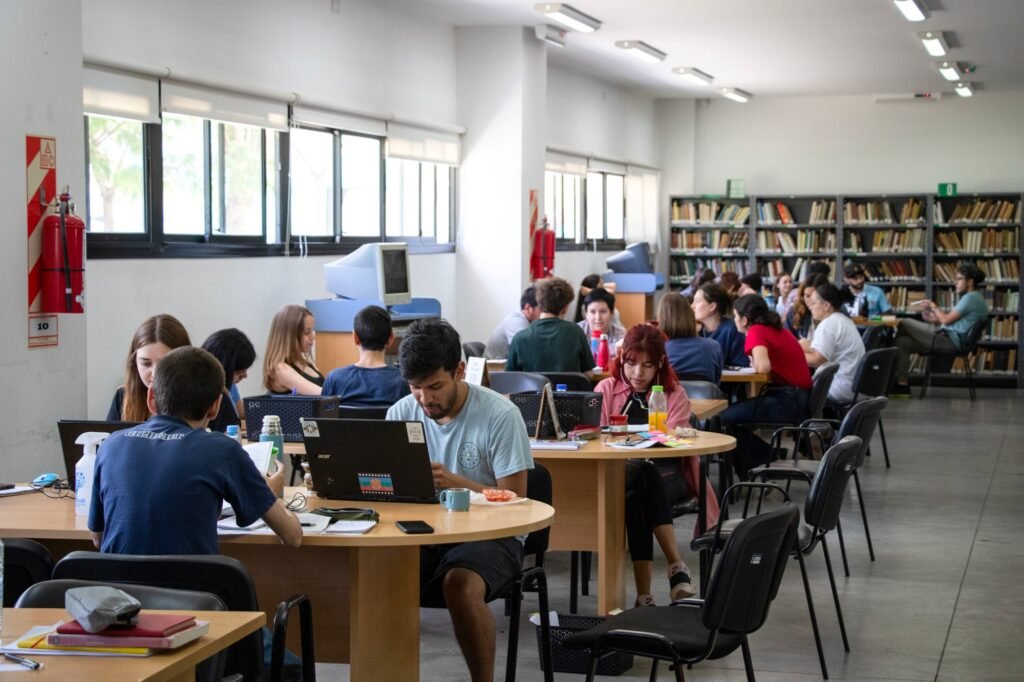
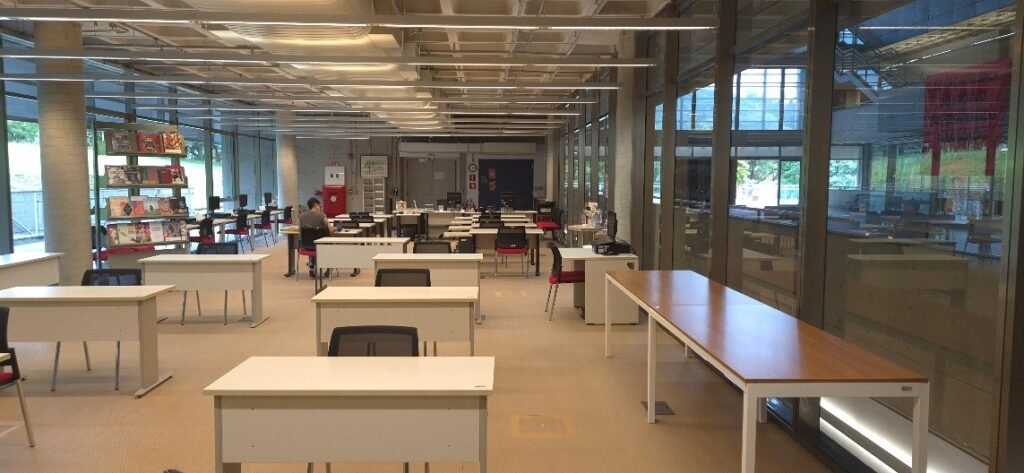
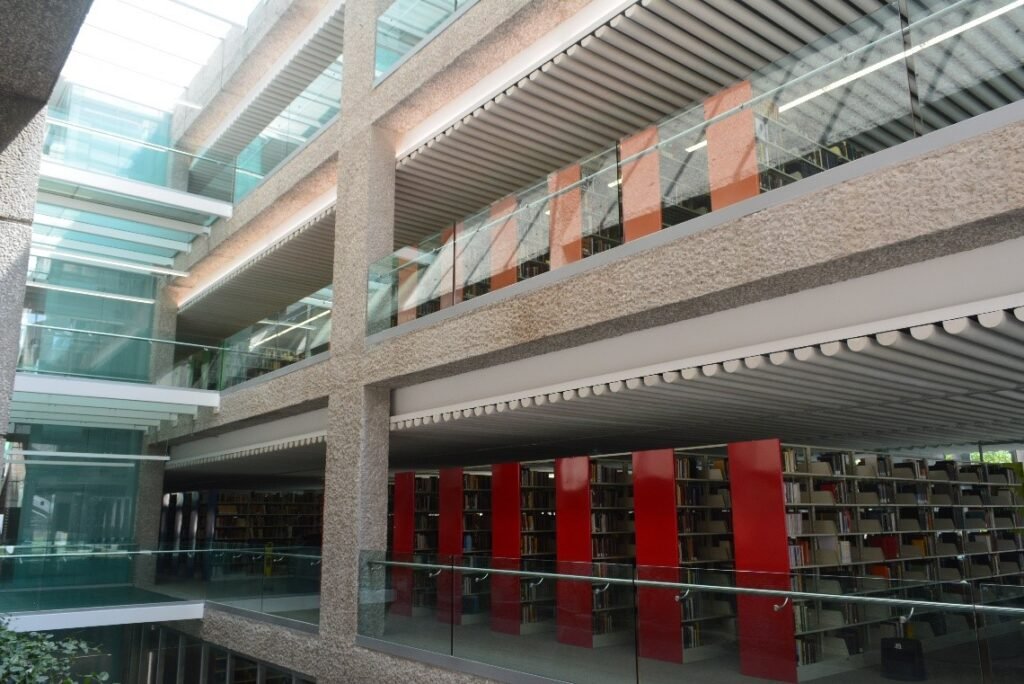
The Prof. Guillermo Obiols Library has a collection of more than 120,000 books and 3,700 printed journals, as well as more than 65,000 digital resources. It welcomes 200 people per day to its study areas and provides personalized service for researchers, advising on open access, bibliographic reference managers, obtaining external documents, training in searches and intellectual property, entry into research careers, among other topics. Likewise, in its vision of community engagement, it offers integrated spaces for book presentations, conferences, and exhibitions, where valuable documents from the collection are linked to specific themes proposed by research groups.

Prof. Guillermo Obiols Library

In addition, it manages the institutional repository Memoria Académica, with the obligation to deposit the scientific production of researchers, through an open access policy of the FaHCE/IdIHCS (Resolution 527/2021) and the UNLP (Ordinance 302/2021) in compliance with the provisions of National Law 26.899/2013 and Resolution 753/2016 that regulates it. To date, it has collected around 53,000 documents, including journal articles, books, presentations at events, theses, and research and extension projects. In collaboration with the IdIHCS, it advises its researchers and curates data for the deposit of primary research data in the institutional repository and in the UNLP data repository.

It also works with IdIHCS to develop ARCAS, a repository of sources of interest for research, with collections of manuscripts by authors such as Manuel Puig and Edgardo Vigo, among others, interviews and oral recordings made for the study of language with their transcripts, and other institutional archival materials.

Prof. Guillermo Obiols Library

#51

Library of the Institute of Brazilian Studies at the University of São Paulo, Brazil

The Ibero-Amerikanisches Institut Editorial Team

The Institute of Brazilian Studies at the University of São Paulo (IEB/USP) is an interdisciplinary research center dedicated to the preservation, dissemination, and study of a collection of recognized academic relevance, consisting of personal collections distributed among the Archive, Library, and Visual Arts Collection.

Its Library houses one of the most significant Brasiliana collections in the country, with approximately 270,000 volumes organized into 47 collections. Linked to the Institute’s other collections, the Library facilitates the production of qualified research and critical reflection on Brazil, while also promoting academic exchange with similar institutions, both nationally and internationally.

The Institute of Brazilian Studies at the University of São Paulo (IEB/USP) was created in 1962 on the initiative of historian Sérgio Buarque de Holanda. Since then, it has served as an integrating body for one of the largest and most prestigious universities in the country and as an interdisciplinary research center focused on critical reflection on Brazil. Since its inception, the Institute has been structured around the articulation between the Archive, Library, and Visual Arts Collection, bringing together under its care documentary collections that dialogue with multiple areas of knowledge, such as Anthropology, Architecture, Fine Arts, Library Science, Political Science, Cinema, Law, Economics, Education, Philosophy, Geography, History, Literature, Music, Sociology, Museology, and Theater.

The IEB is thus responsible for the preservation, dissemination, and research of an exceptional collection, consisting mainly of personal archives and collections assembled during their lifetimes by prominent Brazilian intellectuals, writers, and artists. These collections reflect comprehensive and dense analytical perspectives on the country’s social, cultural, and artistic thought, making them fundamental primary sources for academic research. In this sense, it is part of the IEB’s institutional mission to promote qualified access to this heritage, as well as to encourage its critical appropriation by professors, researchers, undergraduate and graduate students, both from USP and other national and international institutions, expanding the possibilities for teaching, research, and university extension.

Library of the Institute of Brazilian Studies at the University of São Paulo (IEB/USP)

The IEB Library plays a central role in this complex, constituting one of the main centers for research in Brazilian Studies in the country. With one of the most important collections of Brazilian literature in Brazil, the Library has around 270,000 volumes distributed across 47 collections, associated with key figures in Brazilian culture and thought, such as Mário de Andrade, Caio Prado Jr., Graciliano Ramos, Celso Furtado, Guimarães Rosa, José Aderaldo Castello, and Manuel Correia de Andrade, among others. Its collection also includes the oldest incunabulum in the custody of the University of São Paulo, dating from 1493, as well as rare collections of sermons from the 16th and 17th centuries, travel accounts from the 18th and 19th centuries, and a significant collection of periodicals from the late 19th and early 20th centuries.

Organically integrated with the Visual Arts Archive and Collection, the IEB Library not only preserves and organizes knowledge, but also acts as an active agent in intellectual production, enabling interdisciplinary research, fostering academic exchange, and contributing to the development of innovative research tools. The close relationship between the collection and scientific research thus constitutes a vector of institutional innovation, incorporating both established fields—such as Archival Science and Museology—and emerging approaches, such as Digital Humanities.

True to its mission, the IEB reaffirms values such as the protection of cultural heritage, the democratization of information and knowledge, freedom of thought and expression, diversity and social inclusion, and an ongoing commitment to dialogue with society. Supported by a monumental collection and consolidated interdisciplinary practices, the Institute stands out as a national and international reference in Brazilian Studies, contributing decisively to critical reflection on Brazil and to addressing the educational, economic, and social inequalities that mark the country’s reality.

#50

From Archive to Network: How the Daniel Cosío Villegas Library Supports Mecila’s Transnational Research

The Ibero-Amerikanisches Institut Editorial Team

The Daniel Cosío Villegas Library at El Colegio de México (COLMEX), open to the public, strengthens interdisciplinary research in the humanities and social sciences. Through the integration of its collections and resources into the digital infrastructure of the Mecila project, it facilitates academic exchange between Latin America and Europe.

El Colegio de México is a public, university-level institution dedicated to research and advanced teaching in the social sciences and humanities. It is one of the most distinguished institutions in the Spanish-speaking world and has received numerous accolades since its founding in 1940.

To fulfill its mission, El Colegio de México conducts research and offers graduate instruction through its specialized research centers: Historical Studies, Linguistic and Literary Studies, International Studies, Asian and African Studies, Economic Studies, Urban and Environmental Demographic Studies, Sociological Studies, and Gender Studies. The institution offers undergraduate, master’s, and doctoral degrees in specialized fields, as well as specialized and summer courses.

Biblioteca Daniel Cosío Villegas

The Daniel Cosío Villegas Library (BDCV) at El Colegio de México is recognized as a leading institution in Mexico and Latin America. Its standing is grounded in the richness of its collections, the high quality of its bibliographic processes, and a range of specialized services designed to support the academic community.

The library’s vision is to remain the intellectual heart of the institution and to serve as an internationally recognized model of an inclusive, innovative, and transdisciplinary academic library. Its mission is to support research, teaching, learning, reflection, and creativity. By connecting individuals with high-quality information, the BDCV empowers people, fosters critical thinking, and promotes the effective and sustainable use of information resources. It remains committed to open knowledge, the right to information, the preservation of institutional memory, and the advancement of information sciences. As a public space for encounter, development, and exchange of ideas, the library serves as a dynamic hub for intellectual engagement.

With a collection exceeding 625,000 books and over 770,000 printed volumes, and access to a wide range of electronic resources, the BDCV houses one of the most important Latin American collections in the social sciences and humanities. Its holdings span key fields such as public administration, economics, international studies, demography, urban development, history, linguistics, Hispanic literature, political science, sociology, gender studies, translation, and the social impact of science and technology.

Biblioteca Daniel Cosío Villegas

The library has undertaken numerous digital initiatives, resulting in the creation of its digital collections. Among these is the institutional repository, which provides open access to approximately 3,000 publications produced by El Colegio de México.

As a research library, the BDCV has been a strategic partner of the Mecila project since 2020. This collaboration is based on the cross-continental exchange of resources between Latin America and Germany, facilitated through integration into the digital infrastructure coordinated by the Ibero-Amerikanisches Institut (IAI) in Berlin.

The BDCV’s goal of strengthening bibliographic cooperation through international programs and agreements finds in Mecila an ideal ecosystem to expand its capacity to support research, teaching, and learning. In line with its commitment to providing services that are relevant, timely, efficient, flexible, and accessible, the library contributes to Mecila’s mission of ensuring that fellows and researchers across the network can access high-quality information regardless of their geographic location.

This synergy reinforces the Daniel Cosío Villegas Library’s international leadership while simultaneously expanding the Mecila Information Infrastructure into a vibrant space for transnational scientific collaboration. Together, these efforts advance shared objectives: broadening access to information resources, fostering knowledge production, and strengthening academic networks across continents.

#49

The Ibero-American Institute (IAI): Collections, Research, and Global Scholarly Exchange

The Ibero-Amerikanisches Institut Editorial Team 

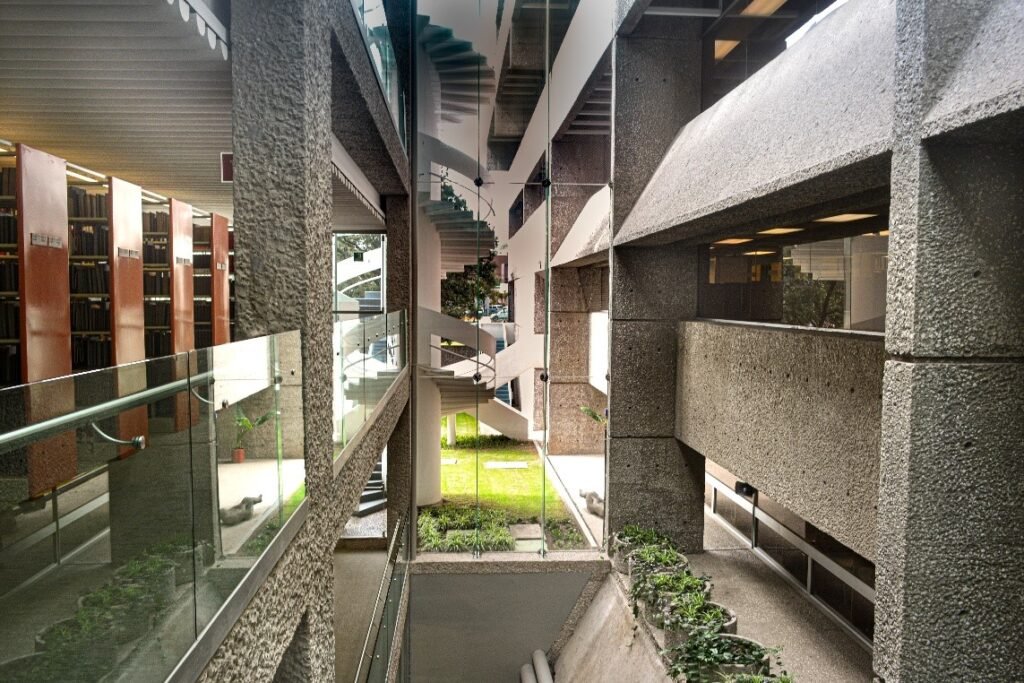
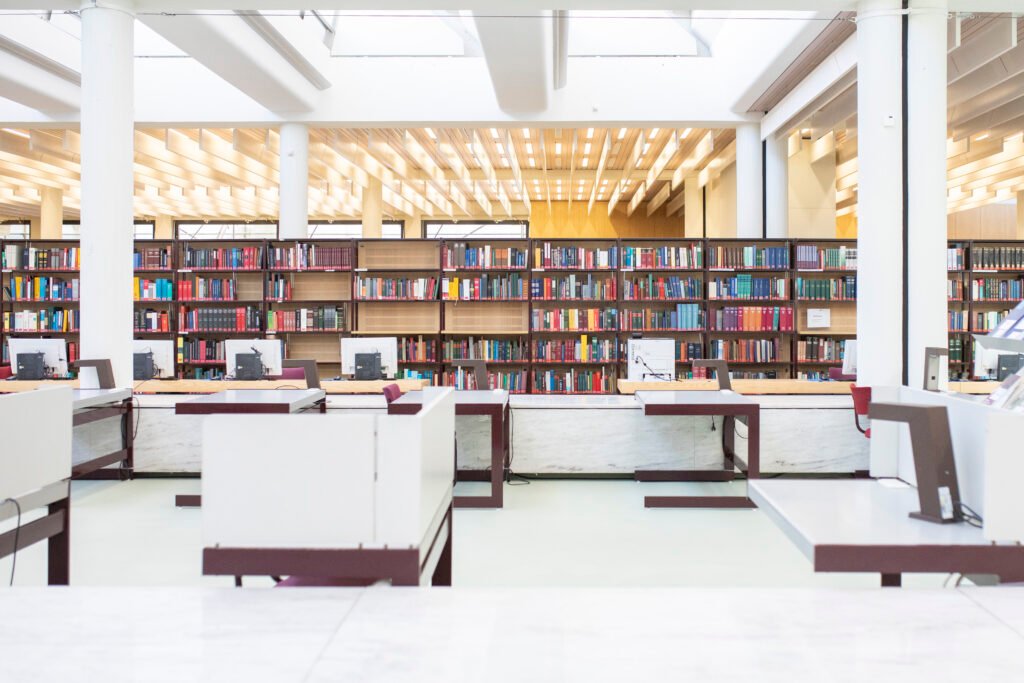
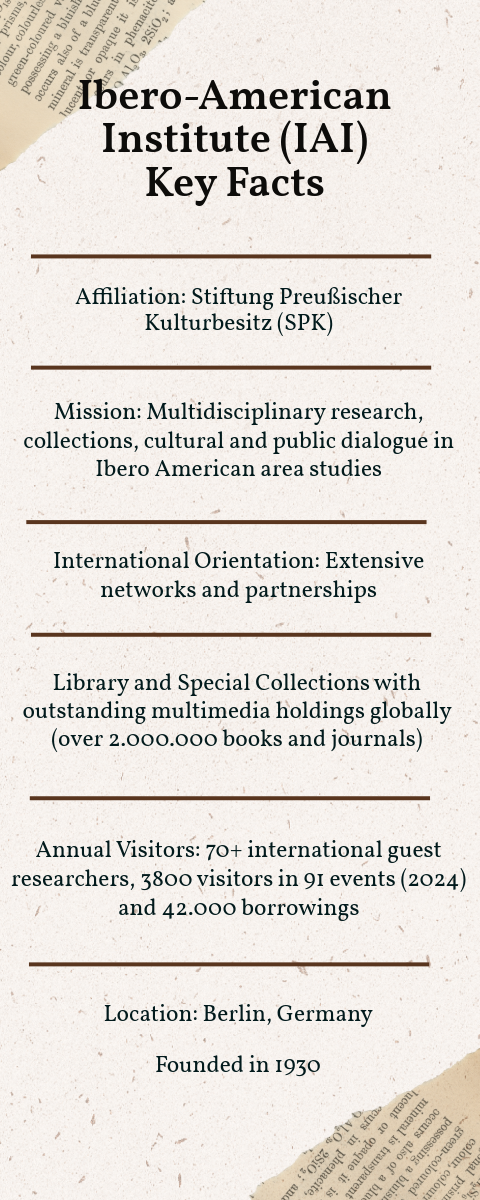
The Ibero-American Institute (IAI), Stiftung Preußischer Kulturbesitz (SPK), is a multidisciplinary research institute bringing together collections, research and events. With a focus on Latin America, the Caribbean, Spain and Portugal, the IAI fosters international academic exchange. In February 2026, it will host the Mecila Institutional Workshop.

The Ibero‑American Institute (IAI), Stiftung Preußischer Kulturbesitz (SPK), is a multidisciplinary non‑university research institute for the humanities, cultural studies and social sciences. As an area studies institution, it has a regional focus on Latin America, the Caribbean, Spain and Portugal, while also taking into account transregional interconnections. The institute’s unique profile is defined by its genuinely international orientation and the equal integration of different areas of work under one roof: collections, research and events.

At the heart of the IAI are its Library and Special Collections, which form Europe’s largest specialised research archive on Latin America, the Caribbean, Spain, and Portugal, encompassing well over two million items, including analog and digital books and journals, audiovisual media, maps, photographs, and other sources. These collections are distinguished by their cultural diversity, geographical breadth, and historical depth, and they serve as a shared global cultural heritage. The IAI continuously develops and expands these resources, making them accessible to scholars worldwide and supporting research that connects local, regional, and transregional perspectives.

The Library and Special Collections of the Ibero-American Institute (IAI) provide the basis for the institute’s research activities and international collaborations. Complemented by partnerships with universities and cultural institutions, the IAI hosts visiting researchers and produces a multilingual publication program. The combination of collections, research, and publications creates a space for the production and transfer of knowledge, as well as for the mediation of cultural perspectives across regions and disciplines.

Cultural and scientific events are central to the IAI’s mission, too. The institute’s event programme is interdisciplinary, multidisciplinary and multilingual, and is carried out with a wide range of partners. Conferences, lectures, exhibitions and other formats provide spaces for dialogue between scholars, cultural actors and the broader public and connect research with societal themes. These events contribute to public understanding of complex issues, from knowledge transfer and cultural heritage to contemporary global challenges, through an Ibero‑American lens.

Founded in 1930, the IAI has evolved into an established institution for dialogue between Germany and the Ibero‑American world. Since 1962, it has been part of the Stiftung Preußischer Kulturbesitz (SPK, Prussian Cultural Heritage Foundation), one of the largest cultural and scientific institutions worldwide. Within the SPK network, the IAI brings specific expertise and knowledge on Latin America, the Caribbean, Spain and Portugal.

In February 2026 (18–20), the IAI will host the Mecila Institutional Workshop, a central event of the Mecila Research Network and its information infrastructure. The workshop will bring together researchers, librarians, and technical coordinators from leading institutions in Latin America and Europe to discuss the current state and future development of collaborative knowledge infrastructures supporting interdisciplinary research.


Photos Copyright: SPK/photothek.net/Florian Gaertner

#48

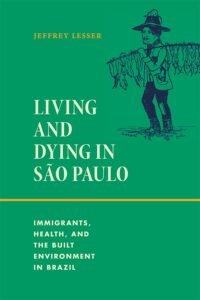
Notes on Jeffrey Lesser’s “Living and Dying in São Paulo”

Antonella Delmonte Allasia (CONICET / Mecila)

An interdisciplinary journey into health care, inequality, and urban life: this post reflects on Living and Dying in São Paulo (Duke University Press, 2025) and its rich ethnographic and methodological contributions to the social sciences.

In anthropology, methodology is never taken for granted; rather, we tend to reflect deeply on the very act of research, on the ethnographic endeavor itself. Following that tradition, when reading the book written by historian Jeffrey Lesser (Emory University / Mecila), I can only begin with methodology, since it was the very first aspect that caught my attention.

The book draws on various disciplines—history, anthropology, sociology, and geography—and therefore mobilizes a broad repertoire of sources and research methodologies, amounting to an almost showcase-like use of social science tools. The research was based on the analysis of historical and contemporary sources ranging from archives (such as the Public Health Archive), observations, cartography, digital maps, photographs, and participation in health programs. Jeffrey took part in health surveillance teams and in the primary care team at the Bom Retiro Public Health Clinic, in São Paulo. As the book itself notes, three different teams participated in the research in parallel, which made this kind of endeavor possible. These teams are both multidisciplinary and multinational.

I want to underline the reflections made on the researcher’s presence in the field. From the very beginning of the book, this presence is acknowledged and examined, as well as how it impacts the social configuration under analysis. And this is not only at the beginning; it resurfaces later on. For instance, when the text problematizes issues such as the clothes the researcher wears, how one enters the field, whether one introduces oneself, etc. It shows that the researcher is neither objective nor external, and that their presence also influences the construction of both data and arguments in the investigation.

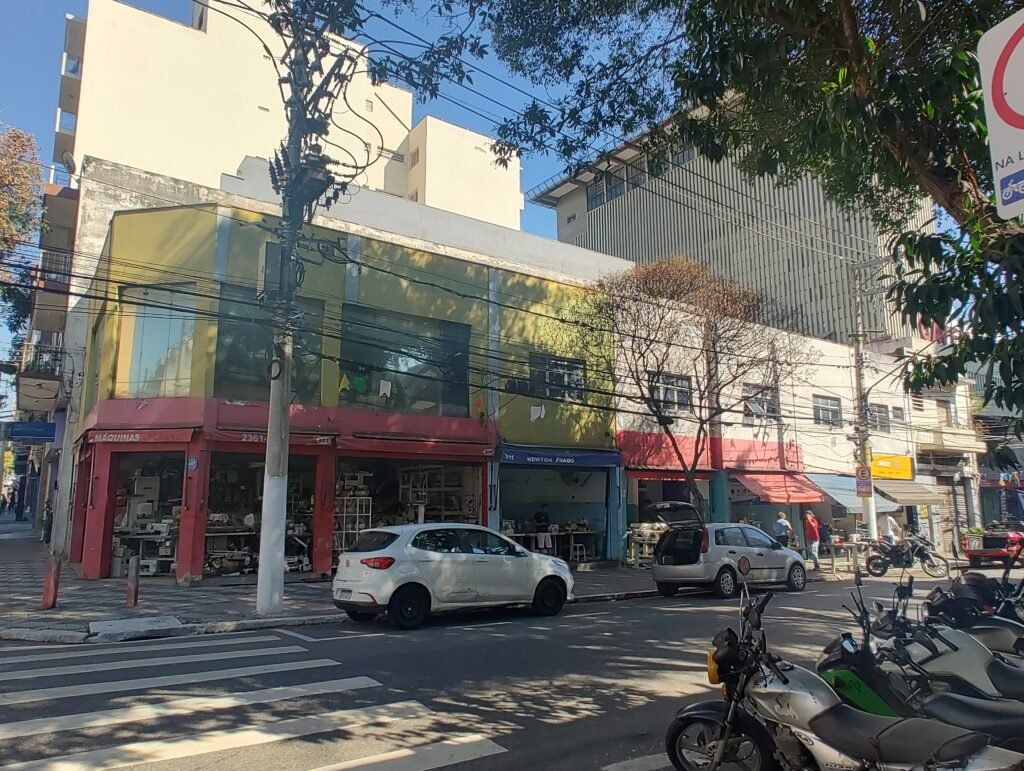
Image: Antonella Delmonte Allasia. A corner in Bom Retiro that sells and repairs machines.

Beyond methodology, I would like to highlight the temporal scope that the book handles. The period of analysis is broad, ranging from the mid-19th century to the present, always focused on the Bom Retiro neighborhood, as the research site. Despite being so broad, the study works because there is a thematic thread that ties everything together: the relationship between health, migration, and the urban environment. Thus, there is a central question that holds the book together, revolving around the practices of health and illness carried out by the state and its agents, and how people engage in everyday health practices. In this way, the book distances itself from a purely top-down perspective on public policies, bringing us closer to how these policies are actually carried out and how the residents of Bom Retiro receive them and act upon them.

Another important aspect is the spatial approach, since the book also analyzes how people and the state construct the space of Bom Retiro, and, at the same time, how that space shapes people and their health. Bom Retiro was and continues to be a central neighborhood in the urban social configuration, particularly for migrants, as well as for the construction of the health and illness of the population of São Paulo.

The book employs the analytical notion of “residues” (material, political, and social), which allows it to address historical continuities. The idea of residues refers simultaneously to structures of repetition and to residual subjects. For the history of social sciences (particularly anthropology), the category of residues is not an empty signifier; it carries connotations, a certain haunting meaning provocative at the same time. But here they acquire situated meanings, linked both to social practices and to the research problem.

Chapter 5, in particular, puts into practice what the introduction announces, in the sense that it traces in the present the residues of past ideas which, despite biomedical advances, continue to prevent improvements in health outcomes in Bom Retiro. To reach this conclusion, the book traces—from the 19th-century General Disinfectory to current Zika prevention campaigns—the tensions between the state, health officials, and the residents of Bom Retiro. And there it shows how the “residues” of public health workers’ attitudes toward migrants persist today, insofar as the migrant population continues to be perceived as the source and cause of various diseases. In contrast, the research highlights the influence of the urban environment, broadly conceived, as key to understanding the spread of disease.

Image: Cover of Jeffrey Lesser’s book “Living and dying in São Paulo”. 

Last year, I participated in a roda de conversa (discussion circle) for women, which is held monthly in a pastoral center that provides support to migrants. The participants were exclusively migrant women from the Bom Retiro neighborhood. In one of the meetings, there were around 14 women, all Bolivian. Several had brought their children, who played in an adjacent room. All of them were seamstresses, except for one woman who was a psychologist. The meeting had three parts: first, conversation; second, games; and finally, a shared snack.

There, a game was played among women. It was “Musical Chairs”, where the goal was to find a seat. Since there was always one chair less than participants, someone always remained standing, and that person lost the round. The interesting part, in relation to the book, was one of the game’s rules. Whoever was left standing had to say her name, where she came from, what disease she carried, and whom she was going to infect. For example, I said: “I am Antonella, I come from Peru, I bring dengue, and I am going to infect everyone wearing black pants.” Then, all the women with black pants had to stand up and change seats, and so on. The game had the intended effect: we laughed and played for quite a while.

That day I noted the symbolic aspects of the game in my field notes but after reading the book, the game made even more sense and opened up new questions. Why do they choose those categories? Could it be that the game shows how actors are aware of being read through those categories associated with disease? If so, how do they put them into play creatively? In short, what do actors do with the categories of health and illness that subordinate them or that attempt to impose relations of subalternity? How do they put them into play creatively? Might they be showing the residues of ideas about health in other spaces not immediately connected with it?

Image at the top by Antonella Delmonte Allasia. An intercultural map inside Tiradentes station, in Bom Retiro.

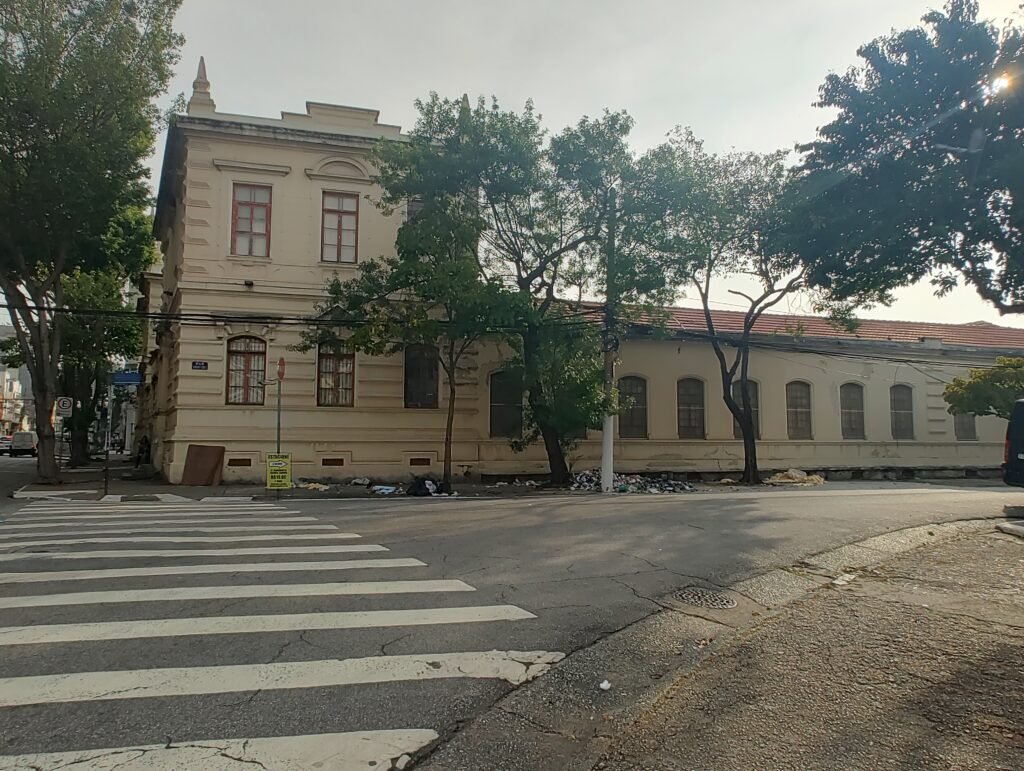
Image: Antonella Delmonte Allasia. Street next to the Emílio Ribas Public Health Museum in Bom Retiro, covered in rubbish.

Explore More on This Topic

📖 Viver e morrer em São Paulo: Imigração, saúde e infraestrutura urbana (século XIX até o presente), by Jeffrey Lesser (Brazilian edition, Editora da Unesp,  2025)

🎧 Dois Pontos (ep. 7): “Saúde, migração e o SUS: desafios e caminhos” (interview with Eugenia Brage, PAGU-Unicamp / Mecila)

🎧 Diálogos Mecila (ep. 20): “’El Alto no Brasil’. Migración y convivialidad en São Paulo” (interview with Gabriel Mamani Magni with Antonella Delmonte Allasia)

📖 Antonella Delmonte Allasia, “Costurar formas de vida y convivialidad. Reflexiones sobre el trabajo de mujeres migrantes en São Paulo más allá de la informalidad(Mecila Working Paper Series, No. 88)

📖 Eugenia Brage, “Tramas populares-comunitarias de convivialidad. Reflexiones en torno a la sostenibilidad de la vida y la producción de lo común en contextos transfronterizos” (Mecila Working Paper Series, No. 72)

#47

Mecila Information Infrastructure: A Digital Network for Scientific Collaboration in Latin America and Europe

The Ibero-Amerikanisches Institut Editorial Team

The Mecila Information Infrastructure connects researchers from Latin America, Europe, and German-speaking countries through a shared digital platform. With the Mecila eLibrary and comprehensive access to scholarly resources, interdisciplinary research on culture, society, and politics in Latin America is supported sustainably. The Mecila Institutional Workshop from February 18 to 20, 2026, in Berlin offers insights into the use and future development of the infrastructure, a key pillar of the Mecila research network.

The Mecila Information Infrastructure stands as a cornerstone of academic and cultural exchange between Germany and Latin America. Developed in close collaboration with leading institutions across the region, including the Daniel Cosío Villegas Library of El Colegio de México (COLMEX, Mexico), the Library of the Instituto de Estudos Brasileiros at the University of São Paulo (USP, Brazil), and the Biblioteca Prof. Guillermo Obiols of the Facultad de Humanidades y Ciencias de la Educación, Instituto de Investigaciones en Humanidades y Ciencias Sociales (IdIHCS–CONICET/Universidad Nacional de La Plata, Argentina). The Mecila Information Infrastructure supports the interdisciplinary research network of the Mecila Project, funded by the Bundesministerium für Forschung, Technologie und Raumfahrt (BMFTR) and coordinated by the Ibero-Amerikanisches Institut (IAI) in Berlin (Germany).

Since its inception, Mecila has brought together scholars from diverse fields to examine pressing social transformations in Latin America, from urbanization and migration to cultural identity and political change.

For researchers working at the Mecila Hub in São Paulo or from distant academic centers, access to specialized literature can be a persistent challenge. The Mecila Information Infrastructure addresses this by creating a unified digital ecosystem that bridges geographical and institutional divides. Far more than a mere digital library, it functions as a cohesive knowledge infrastructure, integrating physical and digital resources, enabling seamless access to rare and hard-to-obtain materials, and fostering a shared research environment across continents.

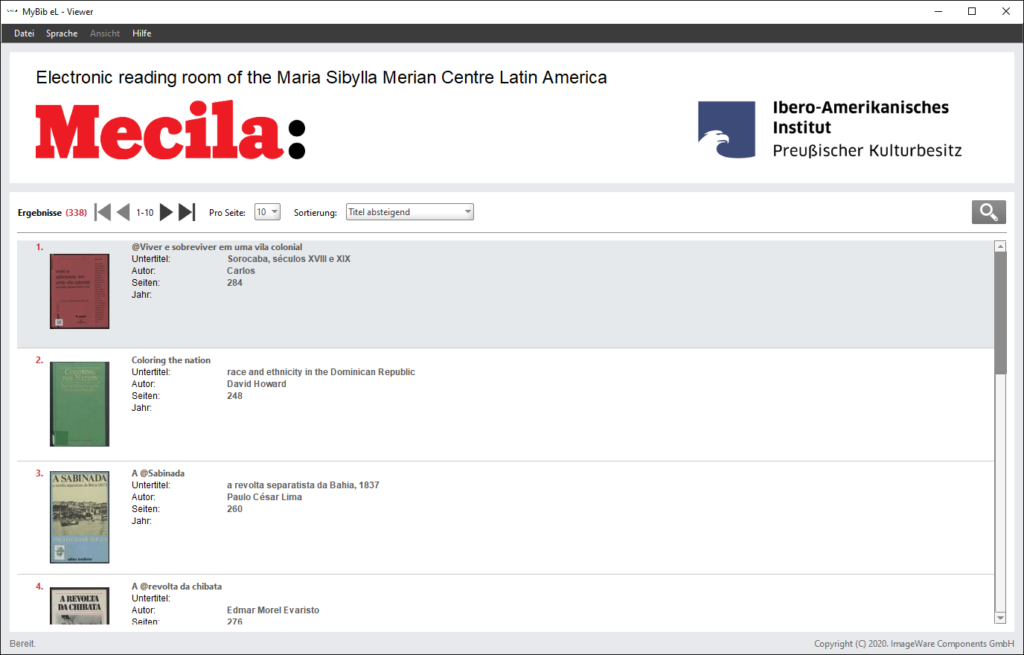
At the core of this infrastructure is the Mecila eLibrary, a secure, virtual reading room designed specifically for copyrighted print materials that are not available in digital form. Access is restricted to registered Mecila project members and provided in compliance with German copyright law, ensuring legally compliant and equitable access to the materials. As of early 2025, the eLibrary hosts over 330 digitized titles, all selected from the Ibero-Amerikanisches Institut’s (IAI) extensive print holdings and curated for relevance to Mecila’s research themes. The collection includes works in English, Portuguese, and Spanish, covering a broad spectrum of social, cultural, and political topics central to the project.

Access to the Mecila Information Infrastructure is straightforward and free for all project members, including fellows, doctoral researchers, principal and associated investigators, and scientific coordinators. After personal registration, users are granted access to the services of the infrastructure, including the Mecila eLibrary, as well as to all digital resources of the IAI. While the eLibrary offers targeted access to digitized monographs, the Mecila Information Infrastructure provides users with access to the catalogues and services of all participating partner libraries. This includes the Online Public Access Catalogue (OPAC) and digital services of the Ibero-American Institute (IAI), as well as those of the Daniel Cosío Villegas Library at El Colegio de México (Mexico), the Library of the Institute of Brazilian Studies at the University of São Paulo (Brazil), and the Professor Guillermo Obiols Library of the Facultad de Humanidades y Ciencias de la Educación / IdIHCS at the Universidad Nacional de La Plata (Argentina). These resources, combined with the ability to request digitization of specific materials, ensure that researchers can access the scholarly foundations they need, regardless of location.

Looking ahead, the Mecila Information Infrastructure will be further strengthened through a Mecila Institutional Workshop in Berlin from February 18 to 20, 2026, bringing together researchers, librarians, and technical coordinators to evaluate current practices, discuss future developments, and enhance the platform’s usability. This event underscores the Mecila Information Infrastructure’s role not only as a repository of knowledge but as a living, evolving space for collaboration that reflects the dynamic, transnational nature of contemporary research in Mecila and the Ibero-American world. By integrating institutional expertise, digital innovation, and a commitment to equitable access, the Mecila Information Infrastructure exemplifies how modern research infrastructures can transcend borders, enabling scholars to work together, share insights, and advance understanding across continents.

Mecila Information Infrastructure: Quick Overview

  • Project: Mecila Research Network (DFG-funded)
  • Coordinated by: Ibero-Amerikanisches Institut (IAI), Berlin
  • Partner Libraries:
  • COLMEX (Mexico)
  • USP (Brazil)
  • IdIHCS, CONICET/UNLP (Argentina)
  • Access: Free for all Mecila project members
  • Core Service: Mecila eLibrary: virtual reading and research space
  • Additional Services: Digitization requests, library card, technical support
  • Upcoming Event: Mecila Institutional Workshop, February 18–20, 2026, Berlin

You might also be interested in:

Contact:

Dr. Christoph Müller, PI and Coordinator of Mecila Information Infrastructure, IAI Library: mecila.library@iai.spk-berlin.de