
maria sibylla merian centre
conviviality-inequality in latin america
maria sibylla merian centre
conviviality-inequality in latin america
The Ibero-Amerikanisches Institut Editorial Team
The Daniel Cosío Villegas Library at El Colegio de México (COLMEX), open to the public, strengthens interdisciplinary research in the humanities and social sciences. Through the integration of its collections and resources into the digital infrastructure of the Mecila project, it facilitates academic exchange between Latin America and Europe.
El Colegio de México is a public, university-level institution dedicated to research and advanced teaching in the social sciences and humanities. It is one of the most distinguished institutions in the Spanish-speaking world and has received numerous accolades since its founding in 1940.
To fulfill its mission, El Colegio de México conducts research and offers graduate instruction through its specialized research centers: Historical Studies, Linguistic and Literary Studies, International Studies, Asian and African Studies, Economic Studies, Urban and Environmental Demographic Studies, Sociological Studies, and Gender Studies. The institution offers undergraduate, master’s, and doctoral degrees in specialized fields, as well as specialized and summer courses.
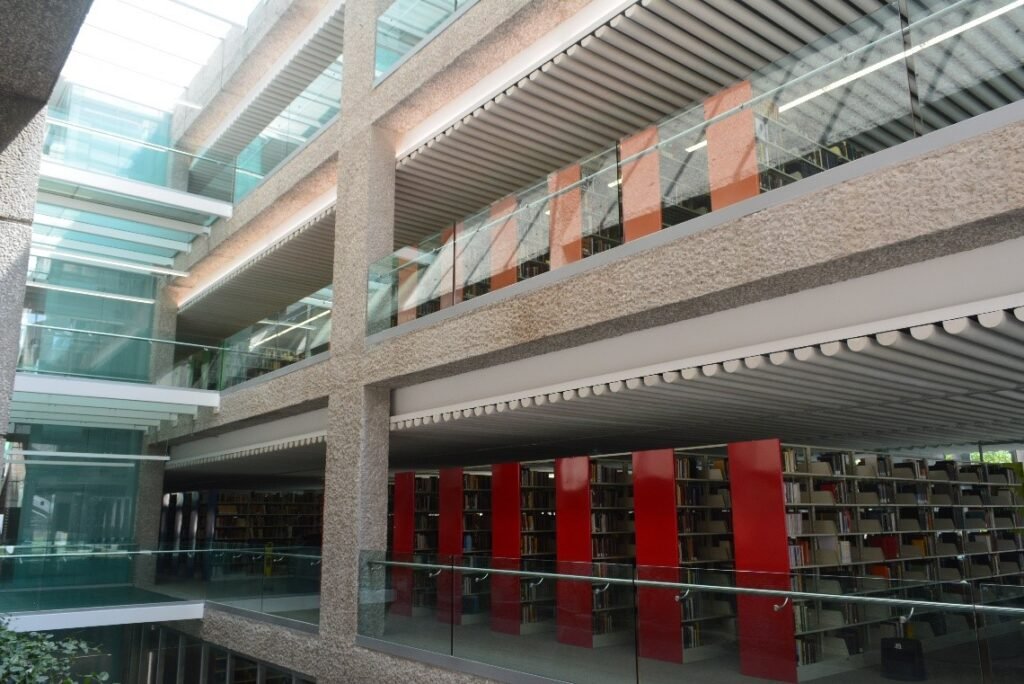
Biblioteca Daniel Cosío Villegas
The Daniel Cosío Villegas Library (BDCV) at El Colegio de México is recognized as a leading institution in Mexico and Latin America. Its standing is grounded in the richness of its collections, the high quality of its bibliographic processes, and a range of specialized services designed to support the academic community.
The library’s vision is to remain the intellectual heart of the institution and to serve as an internationally recognized model of an inclusive, innovative, and transdisciplinary academic library. Its mission is to support research, teaching, learning, reflection, and creativity. By connecting individuals with high-quality information, the BDCV empowers people, fosters critical thinking, and promotes the effective and sustainable use of information resources. It remains committed to open knowledge, the right to information, the preservation of institutional memory, and the advancement of information sciences. As a public space for encounter, development, and exchange of ideas, the library serves as a dynamic hub for intellectual engagement.
With a collection exceeding 625,000 books and over 770,000 printed volumes, and access to a wide range of electronic resources, the BDCV houses one of the most important Latin American collections in the social sciences and humanities. Its holdings span key fields such as public administration, economics, international studies, demography, urban development, history, linguistics, Hispanic literature, political science, sociology, gender studies, translation, and the social impact of science and technology.
Biblioteca Daniel Cosío Villegas
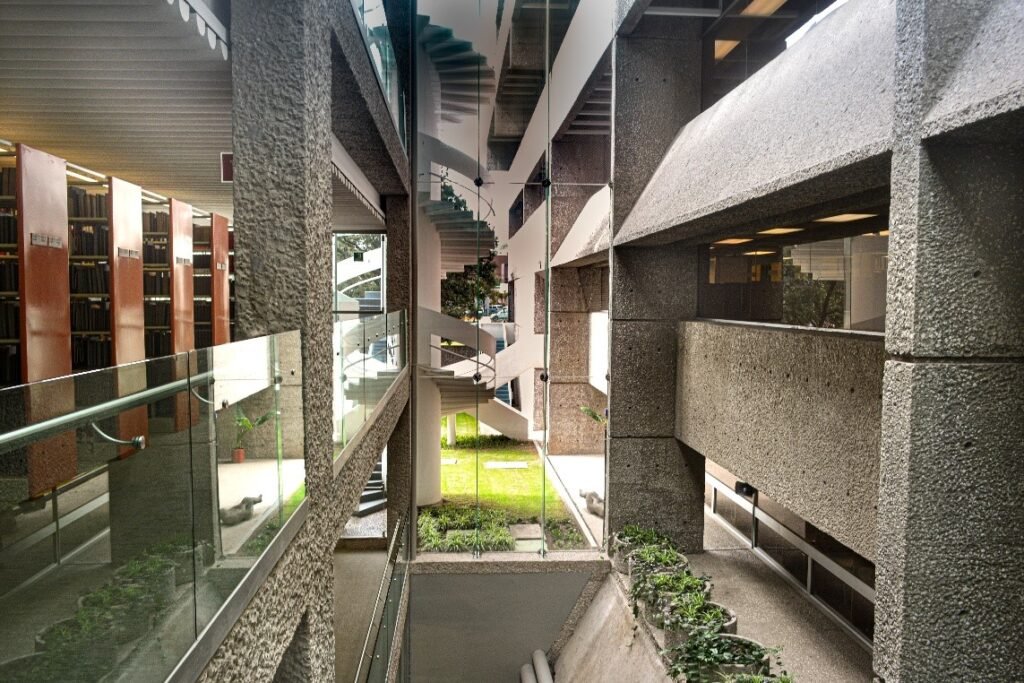
The library has undertaken numerous digital initiatives, resulting in the creation of its digital collections. Among these is the institutional repository, which provides open access to approximately 3,000 publications produced by El Colegio de México.
As a research library, the BDCV has been a strategic partner of the Mecila project since 2020. This collaboration is based on the cross-continental exchange of resources between Latin America and Germany, facilitated through integration into the digital infrastructure coordinated by the Ibero-Amerikanisches Institut (IAI) in Berlin.
The BDCV’s goal of strengthening bibliographic cooperation through international programs and agreements finds in Mecila an ideal ecosystem to expand its capacity to support research, teaching, and learning. In line with its commitment to providing services that are relevant, timely, efficient, flexible, and accessible, the library contributes to Mecila’s mission of ensuring that fellows and researchers across the network can access high-quality information regardless of their geographic location.
This synergy reinforces the Daniel Cosío Villegas Library’s international leadership while simultaneously expanding the Mecila Information Infrastructure into a vibrant space for transnational scientific collaboration. Together, these efforts advance shared objectives: broadening access to information resources, fostering knowledge production, and strengthening academic networks across continents.